
Everyone and their dog is posting “BUY MY COURSE” on Instagram. Shocking news: it’s not working as well as it used to.
The good news? There’s a whole world of smarter, less saturated promotion strategies that most people completely overlook. These aren’t gimmicks — they’re approaches built around genuine value, which means people actually want to engage with them before you ever mention a product.
Here’s the list. Take notes.
Table of Contents
Toggle1. Build a Free Tool Related to Your Product
This one feels like it requires a computer science degree, but it really doesn’t. A “free tool” can be as simple as a calculator, a generator, or a quiz built with no-code platforms. The idea is simple: solve a small problem for free, then suggest your product as the logical next step.
Selling a resume-writing course? Build a free resume bullet point generator. Selling a finance ebook? A budget calculator does the job. Selling a course creation program? How about a free “course idea generator” that spits out niche ideas — and then, right after the results appear, gently mentions the product that’ll help them actually build the thing?
People come for the free tool. They stay for the offer. It works because you’ve already proven you know what you’re doing before asking for anything in return.
2. Templates With a “Want More?” Moment Built In
Free templates are one of the most underused promotion tools out there — and the people using them are quietly cleaning up.
Create a genuinely useful free template: a Notion business planner, a content calendar, an affiliate marketing tracker, a YouTube video planner. Make it good enough that people actually use it daily. Then, somewhere inside the template — naturally, not screaming — include a line like:
“Want the full system? The premium guide walks you through everything step by step.”
The magic here is timing. By the time someone sees that prompt, they’re already in the tool, already getting value, already trusting you. That’s a very different mindset than someone who just scrolled past an ad.
3. Interactive Quizzes
Quizzes convert well because they feel personal. Nobody skips a quiz that starts with “What type of online business should you start?” or “What’s your content creator personality?” — because suddenly it’s not about a product, it’s about them.
The format is simple: ask a few questions, deliver a tailored result, and recommend a product that fits. Something like:
“You’re a Course Creator type. Here’s the guide that shows you exactly how to build and sell your first one.”
It’s personalized, it’s interactive, and it filters people toward the right product naturally. Quizzes also get shared — because people love sending their results to friends.
4. Micro-Reports for Niche Audiences
A short, well-researched data report positioned for the right niche audience is remarkably powerful — especially on LinkedIn and Twitter, where people are actively looking for useful information.
Think: “Top 50 Profitable Etsy Niches in 2026,” or “100 Online Course Ideas for This Year,” or “The Best AI-Powered Side Hustles Right Now.” Pack the report with real, specific data, and then — inside the report itself — recommend digital products that help readers actually implement what they just learned.
People who read a niche report are already interested in the topic. You’re not interrupting them. You’re the person who showed up with exactly what they wanted.
5. Resource Libraries and Curated Tool Pages
A resource page titled something like “100 Tools for Online Creators” might sound simple, but done well, it becomes one of the most visited pages on your site. People bookmark these. They share them. They come back to them.
Organize it into sections — SEO tools, AI tools, content platforms, course-building tools — and link each one to a relevant product or affiliate offer. It’s a low-maintenance page that keeps working for you long after you build it. Think of it as a permanent, always-open storefront that never requires a sales pitch.
6. Workflow and System Guides
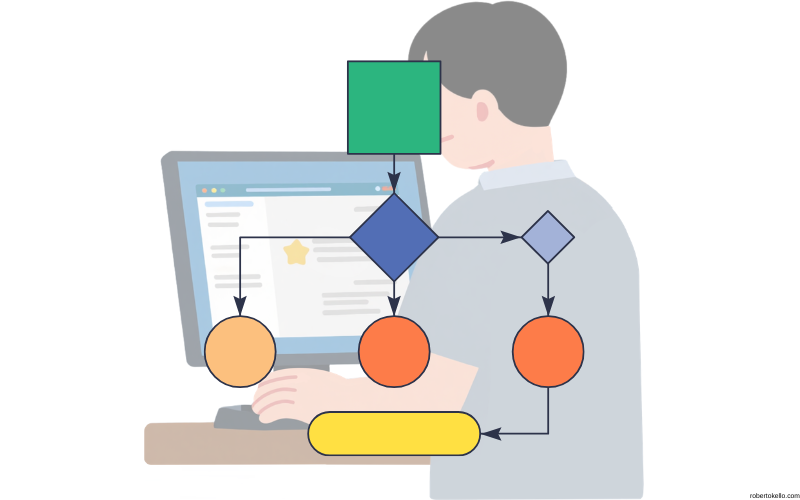
People don’t just want advice — they want to know how someone actually does the thing, step by step. That’s why workflow content gets shared so aggressively.
A post titled “My $0 to $1,000 Blogging System” or “The AI Content Automation Workflow I Use Every Week” gives people a concrete process to follow. Naturally, your digital product becomes a core part of that system — not an afterthought, but an actual recommended tool for one of the steps.
When your product is embedded in a workflow, it doesn’t feel like a promotion. It feels like advice.
7. Swipe Files
Theory is fine. Real examples are better. Swipe files — curated collections of things that actually worked — are endlessly useful and ridiculously easy to share.
Put together a collection of viral email subject lines, high-converting landing page examples, successful YouTube titles, or affiliate page screenshots. Give people real stuff they can study and model. Then, once they’re deep in the material and curious about the strategy behind it, that’s when you recommend the product that teaches the full method.
You’ve already answered “does this work?” before they even ask.
8. Case Studies
A well-told case study is one of the most convincing things you can publish. Not because it’s a sales pitch — but because it isn’t. It’s a story with a real outcome, and people find those deeply compelling.
“How this creator made $10,000 selling Notion templates” — break it down. What did they do? In what order? What tools did they use? What would they do differently? Then, at the end, recommend the product that teaches the same approach.
Case studies work across YouTube, blogs, and newsletters, and they have a long shelf life. A good one keeps getting traffic and generating sales for months.
9. Problem-First Content
Most product promotion leads with the product. Flip it.
Start with the problem. If your digital product helps people find business ideas, write a post called “Struggling to Find a Digital Product Idea? Here Are 10 to Steal.” Solve the problem first — for free, genuinely, no strings attached. Then, at the end, mention the product that goes deeper.
This works because it builds trust before asking for anything. By the time you recommend a product, the reader has already benefited from your help. That’s a completely different relationship than someone who just saw your ad.
10. Community Discussions
This one requires patience, but it builds something that ads never can: real authority.
Find the communities where your audience already hangs out — niche forums, Facebook groups, creator communities, startup spaces — and become the person who gives genuinely good answers. Not drive-by comments with links, but actual thoughtful responses that help people. Over time, when you naturally recommend a product as part of an answer, it carries weight because you’ve earned trust.
It’s slow to start. But it compounds. And the people it brings in are far more loyal than anyone who clicked a banner ad.
Why This Approach Works Better Than the Obvious Stuff
Most digital product promotion looks like: paid ads, generic reviews, and social posts that amount to “here’s a thing I sell, please buy it.” And look, those can work — but they’re fighting for attention in the most crowded possible lanes.
These ten strategies work differently. They lead with utility. They give something real before asking for anything. And that changes the entire dynamic — because when someone has already gotten value from you, buying from you feels natural, not like a gamble.
The goal isn’t to trick anyone into a purchase. It’s to be so genuinely useful that buying becomes the obvious next move.
That’s a much better business to build and if you want to learn how to create a AI-powered digital product that will make you money this weekend, see this.